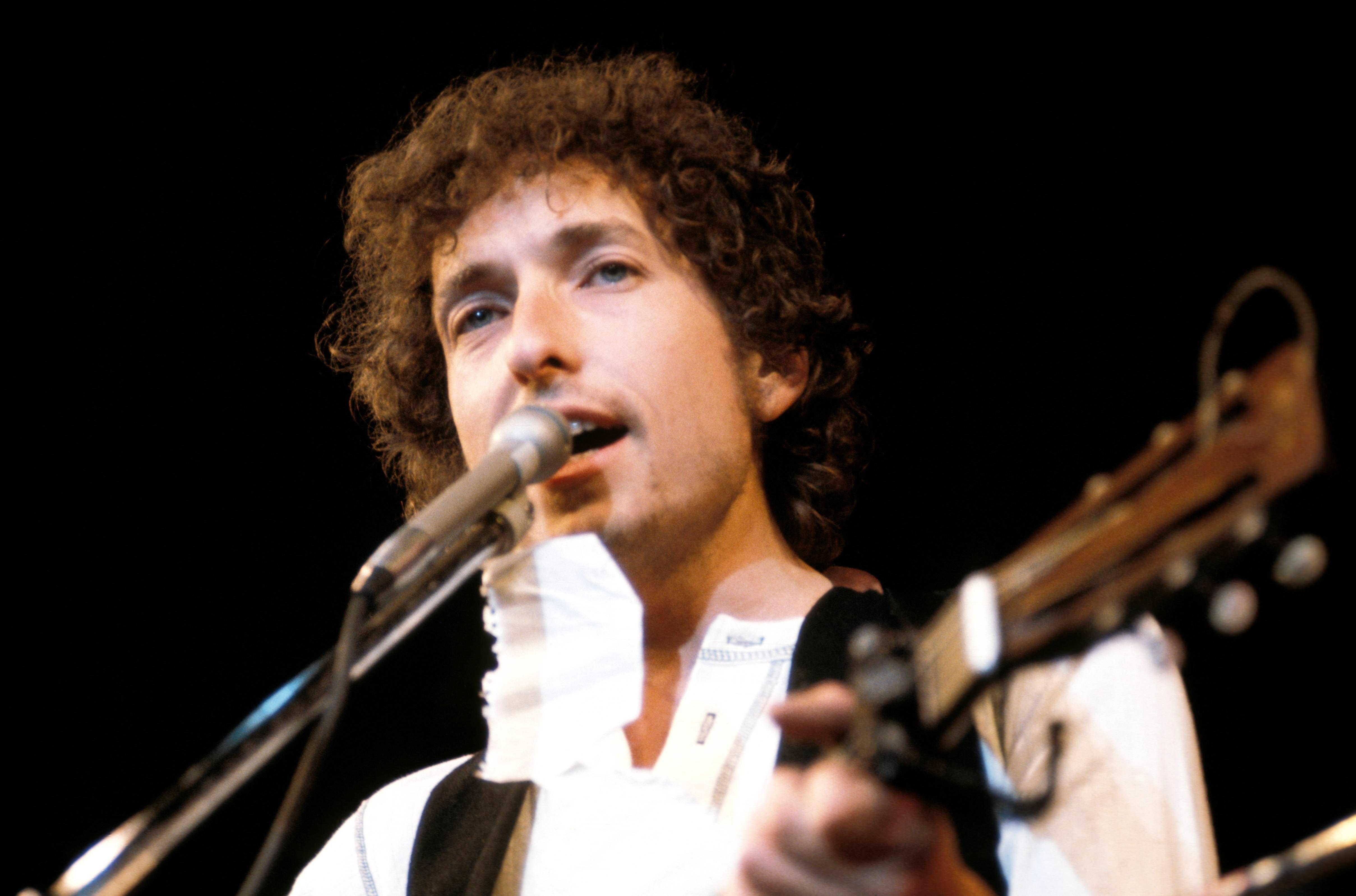
Bob Dylan’s parents have drawn renewed interest as the legendary singer-songwriter continues performing at 85 and remains a prominent figure in American music. His enduring career has encouraged generations of fans to explore the childhood and family background of the Nobel Prize-winning musician, particularly the upbringing that helped shape his early interest in music.
Bob Dylan was born Robert Allen Zimmerman on May 24, 1941, to Abram Zimmerman and Beatrice “Beatty” Stone in Duluth, Minnesota. His parents were part of a Jewish American family with roots in Eastern Europe. They raised Dylan and his younger brother, David, in northern Minnesota, where music, religion and family traditions were important parts of everyday life.
Who Were Bob Dylan’s Parents?
Bob Dylan’s father was Abram Zimmerman, commonly known as Abe, and his mother was Beatrice Stone Zimmerman, affectionately called Beatty.
Abram was born in 1911 and worked in the electrical equipment and appliance business. Beatrice was born in 1915 and came from a family with strong connections to the Jewish community in Minnesota.
The couple married in 1934 and established their home in Duluth.
They welcomed their first son, Robert Allen Zimmerman, in 1941, followed by their younger son, David.
Both parents came from families whose ancestors had immigrated to the United States from Eastern Europe.
Their household reflected a mixture of Jewish traditions and the everyday experiences of American life during the 1940s and 1950s.
Although Dylan eventually became known for challenging conventional expectations, his childhood was shaped by a relatively stable family environment.
Who Was Bob Dylan’s Father Abram Zimmerman?
Abram Zimmerman was Bob Dylan’s father and an important figure during his early childhood.
He was born in 1911 in Duluth, Minnesota, to a Jewish immigrant family.
His parents, Zigman and Anna Zimmerman, had roots in the Russian Empire.
Abram worked for the Standard Oil Company before developing health problems that affected his employment.
He contracted polio during the 1940s, leaving him unable to continue the same physically demanding work.
The illness prompted the family to relocate from Duluth to Hibbing, Minnesota, where relatives could provide additional support.
Abram subsequently worked in the family’s electrical appliance business.
He was known for maintaining a disciplined household and emphasizing responsibility.
Dylan’s relationship with his father was sometimes complicated, particularly as he became interested in music and sought independence.
However, Abram continued to be an important presence during his son’s early years.
He passed away in 1968 at the age of 56.
Who Was Bob Dylan’s Mother Beatrice Stone?
Beatrice “Beatty” Stone Zimmerman was Bob Dylan’s mother.
She was born in 1915 in Minnesota and grew up in a Jewish family with Lithuanian ancestry.
Her parents, Ben and Florence Stone, were involved in business and community life in Hibbing.
Beatrice married Abram Zimmerman in 1934.
She became the mother of Robert and David Zimmerman and played an important role in maintaining family relationships.
Unlike Abram, who was often described as reserved and disciplined, Beatrice was remembered as sociable and expressive.
She encouraged family gatherings and maintained connections with relatives.
Her personality contributed to the lively family environment Dylan experienced during childhood.
Beatrice also supported her son’s interest in music, although she could not have anticipated the international career he would eventually establish.
She lived to see Dylan become one of the world’s most influential songwriters.
Beatrice passed away in 2000 at the age of 84.
Bob Dylan’s Jewish Heritage and Eastern European Ancestry
Bob Dylan’s family background is closely connected to Jewish immigration from Eastern Europe.
His paternal grandparents emigrated from the Russian Empire, while his maternal family had roots in Lithuania.
The Zimmerman and Stone families eventually established themselves in Minnesota.
Dylan grew up in a Jewish household and participated in religious activities during childhood.
He attended Hebrew school and celebrated his bar mitzvah at the age of 13.
The ceremony took place in Hibbing, where his family was active in the local Jewish community.
His religious upbringing introduced him to biblical stories, traditions and language that later appeared in his songwriting.
Although Dylan’s spiritual beliefs changed throughout his adult life, religious themes remained a recurring element of his music.
His songs frequently explore morality, redemption, justice and human responsibility.
These subjects reflect a wide range of influences, including the religious traditions he encountered during childhood.
Why Bob Dylan’s Family Moved From Duluth to Hibbing
Bob Dylan spent his earliest years in Duluth, Minnesota.
However, his family relocated to Hibbing when he was approximately six years old.
The move followed his father’s illness and the need to be closer to relatives.
Hibbing was an important iron-mining community in northern Minnesota.
The Zimmerman family had relatives living there, including members involved in local businesses.
Abram joined the family’s electrical appliance business after the relocation.
The move provided greater stability while he continued dealing with the effects of polio.
For young Robert, Hibbing became the setting for most of his childhood experiences.
He attended local schools and developed an interest in popular music.
The town’s cultural environment, radio stations and entertainment venues helped expose him to different musical styles.
Although Dylan later moved to New York City, his experiences growing up in Hibbing remained an important part of his personal history.
Bob Dylan’s Childhood and Early Interest in Music
Bob Dylan developed an interest in music while growing up in Hibbing.
He listened to radio programs featuring country, blues and early rock and roll.
Artists such as Hank Williams, Little Richard and Elvis Presley influenced his musical tastes.
As a teenager, Dylan learned to play guitar and piano.
He also formed several bands with school friends.
One of his early groups, the Golden Chords, performed rock and roll music at local events.
His growing interest in music sometimes conflicted with the expectations of his parents.
Abram hoped his son would pursue a conventional career, while Dylan became increasingly determined to perform professionally.
After graduating from Hibbing High School in 1959, Dylan enrolled at the University of Minnesota in Minneapolis.
He soon became involved in the local folk music scene.
During this period, he began performing under the name Bob Dylan.
His decision to adopt a stage name marked an important step toward creating his professional identity.
Did Bob Dylan Have Any Siblings?
Bob Dylan has one younger brother, David Zimmerman.
David was born in 1946, approximately five years after Bob.
The brothers grew up together in Duluth and Hibbing.
Unlike Bob, David generally avoided a highly public career in music.
However, he maintained a connection to his brother’s professional life.
David became involved in business and management activities and occasionally assisted Dylan with professional matters.
He also participated in work connected to Dylan’s recordings and creative projects.
One of his most notable contributions involved helping with the reworking of material for Dylan’s 1975 album Blood on the Tracks.
The brothers have generally kept their family relationship private.
Despite their different professional paths, David remains an important part of Dylan’s family background.
How Bob Dylan’s Parents Influenced His Music
Bob Dylan’s parents provided the family environment in which his musical interests first developed.
Their household exposed him to Jewish religious traditions, family storytelling and the cultural experiences of northern Minnesota.
His father’s emphasis on discipline and his mother’s sociable personality created different influences during childhood.
Dylan later explored themes of authority, independence and personal identity in his songwriting.
Although those subjects cannot be attributed solely to his upbringing, his family experiences formed part of his early development.
The biblical language he encountered through religious education also became an important element of his artistic work.
Songs such as All Along the Watchtower and Every Grain of Sand demonstrate his interest in religious imagery and moral questions.
His parents did not work professionally in the music industry, but they witnessed the beginning of his interest in performing.
By the time Abram passed away in 1968, Dylan had already become an internationally recognized musician.
Beatrice lived long enough to see her son receive numerous awards and establish an enduring cultural legacy.
Bob Dylan’s Career and Family Legacy
Bob Dylan began his professional career in New York City’s Greenwich Village folk music scene during the early 1960s.
He became internationally recognized through songs such as Blowin’ in the Wind and The Times They Are a-Changin’.
His work influenced folk, rock and popular music while addressing social change, personal relationships and spiritual questions.
He released influential albums including Highway 61 Revisited, Blonde on Blonde and Blood on the Tracks.
In 2016, Dylan received the Nobel Prize in Literature, becoming the first songwriter to receive the award.
His career has continued for more than six decades.
Despite his extraordinary public achievements, Dylan has generally remained private about his family relationships.
For readers wondering about Bob Dylan’s parents, his father was Abram Zimmerman, an electrical appliance businessman, and his mother was Beatrice Stone Zimmerman, who came from a Jewish family in Minnesota.
Their upbringing in Duluth and Hibbing helped establish the cultural and personal foundations of a musician who would eventually transform American songwriting.
Leave a Reply